


Adjectives – Introduction Lesson
1. Introduction
Revision
Start the lesson by revisiting the previous topic. Use a simple and engaging method—such as a song, short game, video, story, or joke—to help students recall what they learned last time and transition into today’s lesson.
New Topic
Introduce the new vocabulary and topic with an engaging starter. Choose something age-appropriate and fun: a song, short video, story, or active game will help students connect quickly with the new material.
Lesson Starters
Songs
Big, Big, Big | Adjectives Song for Kids
A catchy song featuring adjectives like big, little, long, short, tall, fast, and slow.
Duration: 1:27
Books
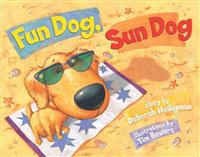
Fun Dog, Sun Dog by Deborah Heiligman
*Buy now
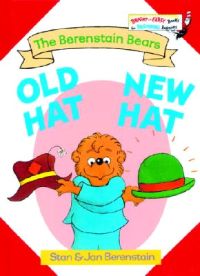
Old Hat, New Hat by Stan Berenstain, Jan Berenstain
*Buy now
2. Study – Learning the Vocabulary
Look at, listen to, and repeat the new words together. Encourage students to say each word out loud several times to build confidence. Make it more fun by varying how the words are spoken—loudly, quietly, slowly, quickly, happily, or in silly voices. Let students suggest their own creative styles.
Use the PowerPoint or flashcards provided on the right-hand side of the page to support visual learning.
Words of the Week
-
happy
-
sad
-
angry
-
hungry
-
thirsty
-
tired
-
big
-
small
-
tall
-
short
-
fast
-
slow
3. Activities
Pick one or two printable activities from the right-hand side. These could be interactive games or simple worksheets, depending on the energy level and focus of your class.
You’ll also find the word set available on Quizlet.
for additional digital practice.
Additional Activity Ideas
Adjective Pantomime
-
Put adjective cards into a hat or small container.
-
One student draws a card and acts out the word silently.
-
The others guess which adjective it is.
Bigger & Smaller Game
-
Students stand in a circle.
-
One student says an adjective (e.g., tall) and holds their hands close together.
-
Each following student repeats the word and makes the space between their hands slightly larger.
-
Continue until the gesture becomes too exaggerated to continue.
-
Then play in reverse: start with the biggest gesture and make it smaller with each turn.
Tip: You can also use this game to teach comparative and superlative forms (e.g., tall – taller – tallest) in groups of three.
4. Wrap-Up
Choose a key point from the lesson that you want to highlight to the students. It might be:
-
something the students did especially well — take a moment to thank and praise them
-
revisiting the vocabulary using the PowerPoint presentation or flashcards (images only)
-
completing a worksheet
-
giving a small homework task (e.g. teach 2–3 words to someone in your family)
-
repeating the lesson starter song, game, video, or story